
Admin Haft

11
Jan 2025
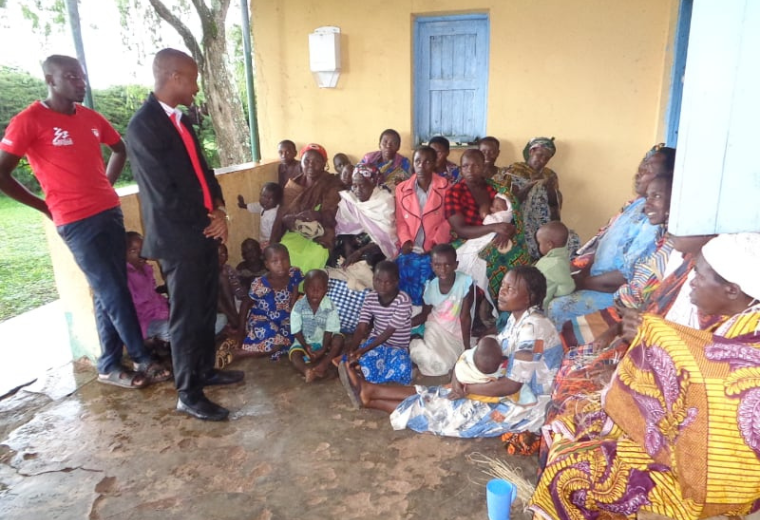
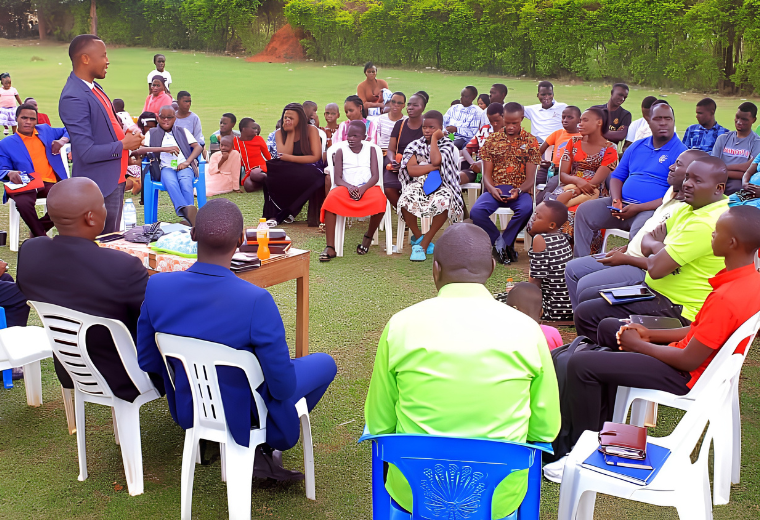
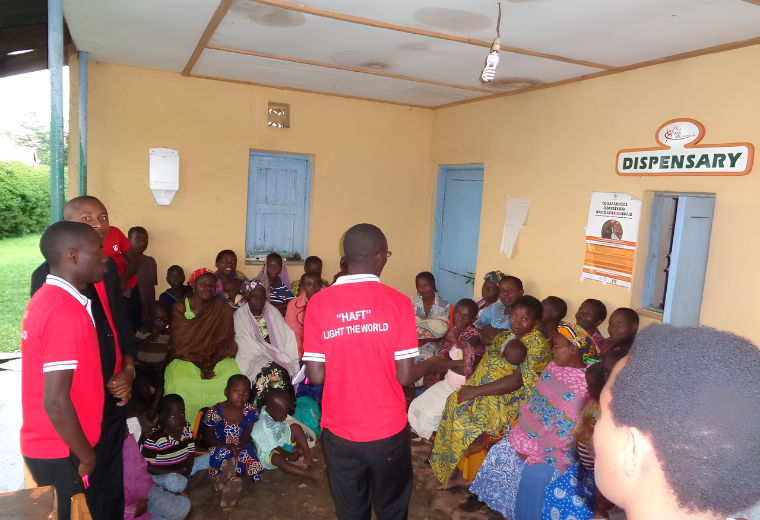
On 11th January 2025, a community menstrual health awareness session at St. Peter's Church of Uganda, Kyebando united women, men,...
Read More


LET'S HELP OTHERS : BECOME A VOLUNTEER


Uganda faces significant public health challenges including malaria, HIV/AIDS, FMD, infrastructure gaps, and limited healthcare financing. HAFT-UG advocates for stronger health systems, community awareness, and preventive healthcare education.
Uganda continues to face several public health challenges that affect millions of people across the country. From infectious diseases to limited healthcare infrastructure, communities face barriers that impact access to quality healthcare services. Health Advocates Frontline Team (HAFT-UG) continues advocating for stronger health systems, community awareness, and preventive healthcare education.
Foot and Mouth Disease (FMD) has significantly affected Uganda's agricultural sector, especially livestock farmers. The disease spreads rapidly among animals, reduces milk production, causes economic losses, and threatens food security. The government has responded with vaccination campaigns, livestock movement restrictions, and disease surveillance efforts. However, limited resources continue to challenge effective disease control.
Conjunctivitis, commonly known as red eye, has affected communities across Uganda. The outbreak has been linked to poor hygiene, overcrowding, and environmental conditions. Health experts encourage frequent handwashing, avoiding sharing personal items, and seeking early treatment.
Although Uganda has made progress in HIV/AIDS control, the disease continues to affect many families. Challenges include stigma and discrimination, limited rural healthcare access, and funding gaps for treatment programmes. Awareness campaigns, testing services, and antiretroviral therapy continue playing a critical role in reducing infections.
Malaria remains one of Uganda's leading health challenges, especially during rainy seasons. Efforts to combat malaria include distribution of insecticide-treated mosquito nets, indoor residual spraying, and increased access to antimalarial medicine. Despite these interventions, climate change and healthcare access barriers continue to affect malaria control efforts.
Key systemic challenges include a high disease burden from communicable diseases such as malaria, HIV/AIDS, and tuberculosis; inadequate healthcare infrastructure in rural communities; limited access to essential medicines due to weak supply chains; and insufficient healthcare financing that limits investment in infrastructure and human resources.
Addressing Uganda's health challenges requires strengthening primary healthcare facilities and preventive services, investing in hospitals, laboratories, and health centres, improving medicine supply chains and local drug manufacturing, and increasing health financing through public-private partnerships and sustainable models.
Health education and preventive awareness remain powerful tools in improving Uganda's health outcomes. Communities that understand hygiene, nutrition, disease prevention, and early healthcare seeking are better equipped to reduce health risks and improve quality of life. Through education, awareness, and investment in healthcare systems, Uganda can continue making progress toward a healthier future.


Stay updated with our charity’s news and see the impact we’re making changes together.
Admin Haft
11
Jan 2025
On 11th January 2025, a community menstrual health awareness session at St. Peter's Church of Uganda, Kyebando united women, men,...
John Taylor
27
Dec 2024
Small gestures often ripple outward. Stories from neighbors who showed up and made a measurable difference.
Emily Klassan
26
Dec 2024
Outcomes matter. Here is how we track results, listen to communities, and refine what we do.